
Mesa, Arizona
State Safe-Passing Laws
Understand the safe-passing rule where you live and how to verify the latest law.
Start with the principle
A safe pass leaves room for real life
People on bicycles may need to avoid debris, potholes, wind, opening doors, and other hazards. A safe-passing buffer gives the driver and cyclist room to handle the unexpected without a collision.Laws vary by state
Three feet is common—but it is not universal
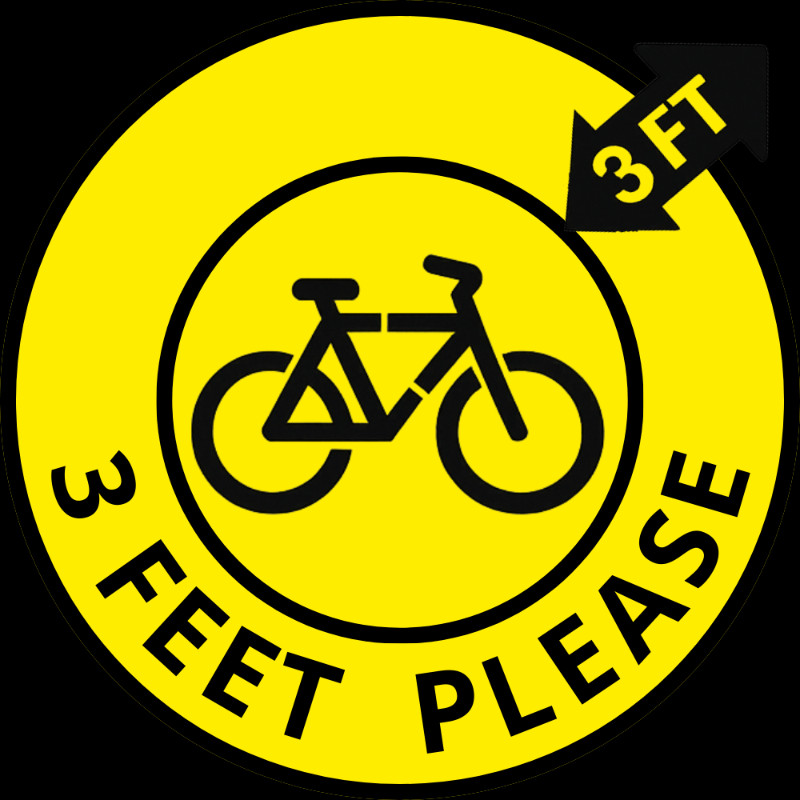
Many states name a three-foot minimum. Some require four feet, a full lane change, or a distance described as safe and reasonable. Local rules may add protections. Always verify the current statute and any local ordinance before relying on a summary.For drivers
Slow down, wait, and change lanes when safe
Treat a bicyclist as the operator of a vehicle. Reduce speed, do not squeeze through a narrow gap, and move fully or partly into the next lane when the law and traffic conditions allow. Return to the lane only after you are safely clear.For riders and advocates
Use primary legal sources
State statutes change. Check your legislature or transportation agency for the current text, effective date, exceptions, and penalties. This educational page is not legal advice. If you spot outdated information, tell us so we can investigate.Help improve this resource